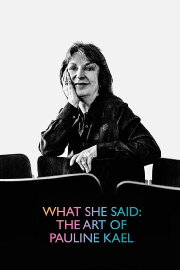
Pauline Kael, the New Yorker film critic for 25 years until the early 1990s, was a lightning rod of American culture. She waged a battle to be recognized and her opinions made her readers hate or love her. Her distinctive voice pioneered the art form, and was largely a result of stubborn determination, huge confidence, and a deep love of the arts. The movie also shows 20th-century movies through Pauline's eye, and shows Pauline's own life through moments of other movies. The ... (Full plot summary below)
Enjoy FREE movies and series with your Prime (USA) subscription or when you start a 30-day free trial!
Sorry, we can't find any suggestions at the moment.
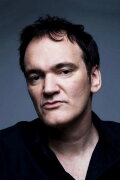
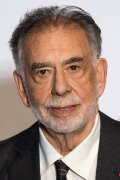
Pauline Kael, the New Yorker film critic for 25 years until the early 1990s, was a lightning rod of American culture. She waged a battle to be recognized and her opinions made her readers hate or love her. Her distinctive voice pioneered the art form, and was largely a result of stubborn determination, huge confidence, and a deep love of the arts. The movie also shows 20th-century movies through Pauline's eye, and shows Pauline's own life through moments of other movies. The filmmakers had complete access to the subject -- through Gina James, Pauline's only child and the executor of her estate; friends and colleagues; and Pauline's personal archives. With over 30 new interviews, including David O. Russell, Quentin Tarantino, Camille Paglia, Molly Haskell, Alec Baldwin Greil Marcus, Paul Schrader, John Guare and Joe Morgenstern. Sarah Jessica Parker voices Pauline through her writing and letters.
Leave your thoughts about What She Said: The Art of Pauline Kael.
| VarietyOwen GleibermanAn exquisitely crafted documentary about the woman who was arguably the greatest movie critic who ever lived. |
| Movie NationRoger MooreWriter-director Rob Garver has gotten at the essence of the woman — a frustrated playwright who turned criticism into “short stories and sonnets,” as one fan says. |
| IndieWireKate ErblandDespite that iffy start, Garver’s film blossoms into something more comprehensive than complimentary, a film that doesn’t balk at the trickier aspects of Kael’s career, even as it never fully engages with the tensions that informed her. |
| Original-CinLiam LaceyThe subject alone should ensure that it gets lots of attention from film reviewers and despite a jumpy, hodge-podge style, should be generally enjoyable to anyone interested in the seductive, contentious cultural phenomenon of The New Yorker’s famous critic. |
| Washington PostAnn HornadayWhat She Said pays fitting homage, not just to a great writer but to a vanished age. |
| Screen DailyJonathan RomneyGarver’s film is above all a celebration of the pleasure of intellectual and emotional response to art (“To be paid for thinking is a marvellous way to live,” Kael says), and a picture of a style of thinking that might be seen as distinctively but non-stereotypically female. |
| The Hollywood ReporterTodd McCarthyBefitting the subject's personality and entertainment predilections, What She Said is adamantly engaging, full of lively, appreciative voices that, more than anything else, bring her enthusiasm and keen-mindedness back to life. |
| TheWrapJames GreenbergTo see Rob Garver’s affectionate documentary about her career,“What She Said: The Art of Pauline Kael, is to be once again swept away by the excitement of cinema as she experienced it. |
| RogerEbert.comNell MinowIt was perhaps a strength as a critic and a weakness as a person that she never understood how painful her words could be. |
| Los Angeles TimesKenneth TuranDealing with a personality this strong could not have been easy, and director Garver, whose background is in short films, does a balanced job, giving space to Kael’s partisans while finding time for the other side. |