January 18, 2019: it was the smirk heard round the world. Surrounded by cheering classmates on the steps of the Lincoln Memorial in Washington, D.C., 17-year old Nick Sandmann, a student at northern Kentucky's private, affluent Covington Catholic High School, instantly and unwittingly became a global headline, internationally villainized on social media and in the 24-hour news cycle as he appeared to confront Nathan Phillips, a Native American elder attempting to keep the pea... (Full plot summary below)
Enjoy FREE movies and series with your Prime (USA) subscription or when you start a 30-day free trial!
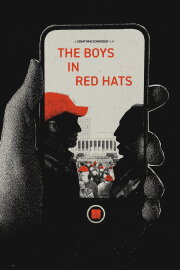
January 18, 2019: it was the smirk heard round the world. Surrounded by cheering classmates on the steps of the Lincoln Memorial in Washington, D.C., 17-year old Nick Sandmann, a student at northern Kentucky's private, affluent Covington Catholic High School, instantly and unwittingly became a global headline, internationally villainized on social media and in the 24-hour news cycle as he appeared to confront Nathan Phillips, a Native American elder attempting to keep the peace at that year's heated March for Life rally by beating a ceremonial drum as he moved through the crowds. Overnight, video clips of the interaction went viral, Sandmann and his classmates hit with a tidal wave of worldwide outrage, their safety threatened and the entire Cov Cath community suddenly at the center of uncomfortable conversations about racism, privilege and politics. A graduate of that elite institution, filmmaker Jonathan Schroder watched the incident-and the subsequent media blowback-with keen interest, knowing firsthand the deeply formative nature of an adolescence spent inside the entitled Covington Catholic bubble. Seeking to better understand the scene on the steps, the people involved in it and its larger ramifications for the community, the media and our democracy as a whole, Schroder set out to investigate how one fleeting interaction can become a global controversy. Along the way, The Boys in the Red Hats deftly explores the media's obsession with immediacy over accuracy, the danger in prioritizing intent over impact and what it's going to take if we ever hope to bridge the deep divides in our communities-and our country.
Leave your thoughts about The Boys in Red Hats.
| RogerEbert.comRobert DanielsThe Boys in Red Hats is a necessary watch that elicits frustration by exposing our insular ideology with a raw aplomb. |
| The New York TimesNicolas RapoldBetween a bro-friendly voice-over and “TMZ Live”-style bull sessions with his producer, Schroder’s exploratory pose comes to feel exasperatingly clueless. Yet the film also assembles soothingly sharp commentators who lay bare the power and race dynamics and aggression at play in the Lincoln Memorial encounter. |