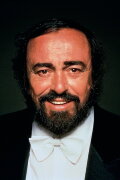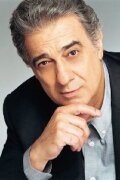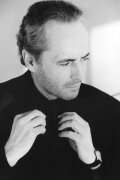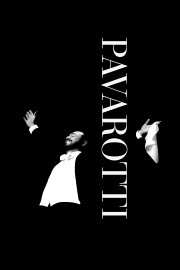
Born in 1935 in Modena in the working-class family of a baker father and a mother who worked in a cigar factory, since his childhood Luciano Pavarotti had a passion for opera because of his father, an amateur tenor. Blessed with a powerful voice and student of Italy's most important opera teachers of the times, Pavarotti soon made his name a reference of the genre, giving some of the most memorable live performances in the world's most important theaters, meeting with politic... (Full plot summary below)
Enjoy FREE movies and series with your Prime (USA) subscription or when you start a 30-day free trial!
Born in 1935 in Modena in the working-class family of a baker father and a mother who worked in a cigar factory, since his childhood Luciano Pavarotti had a passion for opera because of his father, an amateur tenor. Blessed with a powerful voice and student of Italy's most important opera teachers of the times, Pavarotti soon made his name a reference of the genre, giving some of the most memorable live performances in the world's most important theaters, meeting with politicians and world leaders as well as rock and pop singers to present concerts for humanitarian causes, surpassing any limit when he was part of The Three Tenors with José Carreras and Plácido Domingo. Using archive footage, unreleased material from home videos and photos, and interviews from his family and closest friends, legendary director Ron Howard reviews the professional career of the man who turned opera into a mass phenomenon as never before, and also discovering the personal life of the man behind the star.
Leave your thoughts about Pavarotti.
| TheWrapTodd GilchristHoward’s film is a love letter to the icon, but ultimately Pavarotti is a more of a celebration of the individual behind that façade and a reminder that it’s as much his humanity as his talent that made him a star. |
| Los Angeles TimesKenneth TuranA warm, emotional and completely involving film about the celebrated tenor. |
| San Francisco ChronicleMick LaSalleWith Pavarotti, director Ron Howard serves up a straightforward documentary about the great tenor’s life and career. It’s just a birth-to-death saga, featuring interviews with colleagues and loved ones and a catalogue of greatest hits, so nothing fancy here. But if you can find a better way to spend two hours, take it — I’ll stick with this. |
| RogerEbert.comGlenn KennyRon Howard’s documentary doesn’t just make you miss the singer. It makes you miss, of all things, a robust music industry. |
| Christian Science MonitorPeter RainerAlthough Howard doesn’t go in for a lot of musicological analysis of Pavarotti’s genius, which would have enriched the presentation, he compensates by giving us an ample dose of the singing. |
| The Seattle TimesRick BentleyAlthough the film is a beautiful tribute to Pavarotti, the less-inspired approach Howard took to the film plus a slower editing beat (the running time is 114 minutes) compared to his examination of the Beatles makes the project seem like a small step backward. |
| Austin ChronicleSteve DavisThis love letter dedicated to opera’s biggest rock star, the larger-than-life Luciano Pavarotti, achieves something most documentaries about the deceased rarely do: It brings a man back to glorious life. |
| The Hollywood ReporterTodd McCarthyIntelligent, vastly appreciative of its subject and conventional in approach, Pavarotti can scarcely go wrong due to the charisma of its subject, the gorgeous music that wallpapers the entire film and an arc of success arguably unmatched in the opera world. If the film is all but engorged with goodies, one can hardly object that this is in some way inappropriate to it subject. |
| Screen InternationalTim GriersonEven for opera neophytes who couldn’t tell a soprano from a tenor, Ron Howard’s brisk, engaging film capably maps out an art form that Luciano Pavarotti ruled for decades, including enough technical insight to go along with an overview of the maestro’s personal and professional highlights. |
| VarietyOwen GleibermanThe genius of Pavarotti’s voice is that it had the power to heal. The movie pays ample testament to how that voice, for 40 years, poured out of him, rapturous and tragic, soaring on wings of pure emotion, at times wracked with a spiritual pain that was surely his own, but always lifting his audience to the mountaintop of beauty, saying, “This is where I live. And you can too.” |