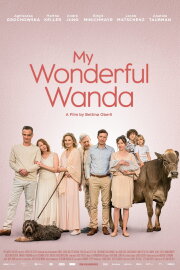
The Polish woman Wanda, 35, looks after Joseph, 70, in his family villa by the lake. She is there for him around the clock and also helps his wife Elsa, 75. The youngest son Gregi, 28, likes her very much. The work is poorly paid, but Wanda needs the money for her own family in Poland. Since everyone lives under one roof, Wanda gets an intimate view of their family life. So intimate that Wanda unexpectedly becomes pregnant.... (Full plot summary below)
Enjoy FREE movies and series with your Prime (USA) subscription or when you start a 30-day free trial!
The Polish woman Wanda, 35, looks after Joseph, 70, in his family villa by the lake. She is there for him around the clock and also helps his wife Elsa, 75. The youngest son Gregi, 28, likes her very much. The work is poorly paid, but Wanda needs the money for her own family in Poland. Since everyone lives under one roof, Wanda gets an intimate view of their family life. So intimate that Wanda unexpectedly becomes pregnant.
Leave your thoughts about My Wonderful Wanda.
| Film ThreatAnthony Ray BenchA film called My Wonderful Wanda needed more exploration of the title character. |
| Movie NationRoger MooreDeath and new life, cultural prejudices and that Swiss obsession with money play into a film that is Germanic in its darkness, as subtle as a wet slap and funny? Eventually. |
| VarietyAlissa SimonIt’s an engaging, mostly well-acted tale, full of surprising twists, even if some seem a bit too on the nose. |
| CineVueMatthew AndersonBehind the closed doors of this lakeside paradise it is clear that there’s trouble afoot. |
| The Hollywood ReporterSheri LindenBettina Oberli is more interested in the interplay of her characters than a barbed look at geopolitics, an approach that clicks only to a point in this well-performed but overlong and uneven feature. |
| Los Angeles TimesGary GoldsteinOberli and Ziesche, who’ve divided the story into three chapters plus an epilogue (the less said about the plot the better to protect a few solid twists), attempt to lay bare the thorny issue of outsourcing care work to migrants but don’t layer in enough heft or context to make a wholly satisfying statement. |
| The New York TimesKristen Yoonsoo KimThe film, written by Oberli and Cooky Ziesche, satirizes class divides and xenophobia (“the Pole” constantly carries a derogatory connotation here), but never takes the satire far enough to be memorable, challenging or anything beyond whimsical. |