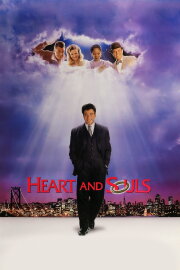
In 1959, in San Francisco, the telephone operator Penny Washington leaves her three children to work in her night shift. The shy singer Harrison Winslow is afraid of the stage and quits his audition. The waitress Julia is proposed by her boyfriend and she does not accept; then she regrets and leaves her job to seek him out. The smalltime thief Milo Peck tries to retrieve a collection of stamps that he had stolen from a boy. They embark in a bus and the driver Hal distracts wh... (Full plot summary below)
Enjoy FREE movies and series with your Prime (USA) subscription or when you start a 30-day free trial!
| Movie Source | Available | Offers | Added | Views | Quality | Format | Rating | Link | Share |
|---|---|---|---|---|---|---|---|---|---|
 | UK only | 1 Month Free Trial | 06 Jun 2022 | 4254 | HD | Watch OnlineStream Instantly | 75% |  Report: Broken Link Report: Broken Link |   |
| USA only | 1 Month Free Trial | 27 Feb 2015 | 6415 | HD | Watch OnlineStream Instantly | 74% | Report: Broken Link | |
| IRELAND only | 1 Month Free Trial | 01 Oct 2013 | 2079 | HD | Watch OnlineStream Instantly | 84% | Report: Broken Link | |
 | UK only | 30 Day Free Trial | 15 Feb 2015 | 675 | HD | Watch OnlineStream Instantly | 92% | Report: Broken Link | |
![Its HD [Heart and Souls]](/images/logos/icons/itshd.png) | WORLDWIDE | ? | 22 Jan 2026 | 3236 | HD | Watch OnlineStream Instantly | 86% | Report: Broken Link | |
 | UK only | 30 Day Free Trial | 13 Jan 2026 | 518 | HD | Watch OnlineStream Instantly | 42% | Report: Broken Link | |
 | UK only | Free Credit | 23 Apr 2016 | 133 | HD | Watch OnlineStream Instantly | 35% | Report: Broken Link | |
 | WORLDWIDE | ? | 04 Feb 2021 | 148 | HD | Watch OnlineStream Instantly | 31% | Report: Broken Link | |
 | WORLDWIDE | ? | 27 Feb 2013 | 10 | SD / TV | Watch OnlineStream Instantly | 11% | Report: Broken Link | |
 | WORLDWIDE | ? | 09 Nov 2022 | 286 | HD | Watch OnlineStream Instantly | 9% | Report: Broken Link | |
 | WORLDWIDE | ? | 05 May 2013 | 7 | SD / TV | Watch OnlineStream Instantly | 13% | Report: Broken Link | |
Links compiled using automated software. Availability of offers subject to change / might be region specific / out of date.
| Movie Source | Available | Offers | Added | Views | Quality | Format | Rating | Link | Share |
|---|---|---|---|---|---|---|---|---|---|
| UK only | 30 Day Free Trial | 30 Sep 2020 | 454 | SD / DVD | DVD RentalRent by Post | 60% |  Report: Broken Link Report: Broken Link | |
 | UK only | N/A | 30 Sep 2020 | 61 | SD / DVD | DVD RentalRent by Post | 33% | Report: Broken Link | |
 | USA only | 1 Month Free Trial | 30 Sep 2020 | 81 | SD / DVD | DVD RentalRent by Mail | 6% | Report: Broken Link | |
| USA only | 1 Month Free Trial | 30 Sep 2020 | 14304 | SD / DVD | DVD RentalRent by Mail | 85% | Report: Broken Link | |
| Movie Source | Available | Offers | Added | Views | Quality | Format | Rating | Link | Share |
|---|---|---|---|---|---|---|---|---|---|
| UK only | 30 Day Free Trial | 23 Feb 2023 | 207 | HD / BR | Blu Ray RentalRent by Post | 91% | Report: Broken Link | |
| UK only | N/A | 23 Feb 2023 | 19 | HD / BR | Blu Ray RentalRent by Post | 50% | Report: Broken Link | |
| USA only | 1 Month Free Trial | 30 Sep 2020 | 798 | HD / BR | Blu Ray RentalRent by Mail | 4% | Report: Broken Link | |
| USA only | 1 Month Free Trial | 23 Feb 2023 | 2967 | HD / BR | Blu Ray RentalRent by Mail | 84% | Report: Broken Link | |
In 1959, in San Francisco, the telephone operator Penny Washington leaves her three children to work in her night shift. The shy singer Harrison Winslow is afraid of the stage and quits his audition. The waitress Julia is proposed by her boyfriend and she does not accept; then she regrets and leaves her job to seek him out. The smalltime thief Milo Peck tries to retrieve a collection of stamps that he had stolen from a boy. They embark in a bus and the driver Hal distracts while driving and has a serious accident, and driver and passengers die. Meanwhile, Frank Reilly is driving his pregnant wife Eva Reilly to the hospital. Frank successfully escapes from the bus but Eva is nervous and delivers her baby in the car. The souls of the four passengers become the guardian angels and the invisible friends of the boy Thomas Reilly. Seven years later, Penny, Julia, Harrison and Milo conclude that they are harming the boy and they decide to become invisible also to him. Thirty and something years later, Hal returns with his bus to take them four and the quartet learns that they had all those years to resolve the issues of their lives. They ask Hal to stall and give some more time for them to resolve their unfinished lives and they decide to come back to Thomas, who is now a tough businessman and indecisive in his relationship with girlfriend Anne, and ask him to help them to resolve their issues and become free souls. In the end, Thomas also becomes a better man.
Leave your thoughts about Heart and Souls.
| Rolling StonePeter TraversA potently acted, buoyantly funny film that trades on emotion without making you gag on it. |
| Chicago Sun-TimesLloyd SachsDowney’s deftness is so miraculous, in fact, that it’s a shame Heart and Souls never really lets him cut loose. |
| The Hollywood ReporterDuane ByrgeAnd even if, at times, it seems terribly episodic as it plunges into each character's separate story and then back and forth between drama and comedy, the performances are constantly fun and fresh. |
| The Seattle TimesJohn HartlUnashamedly sentimental, but all the better for it. |
| Los Angeles TimesMichael WilmingtonIt wins a few, loses a few. It makes us laugh, gets mileage out of the Four Seasons’ “Walk Like a Man.” In the end, the actors save it, especially two of the actors: star Robert Downey Jr., who may have moved into the Robin Williams-Steve Martin-Whoopi Goldberg category, and supporting actor David Paymer, who never hits a false note. |
| Combustible CelluloidJeffrey M. AndersonI have remained fond of Heart and Souls, despite its annoying power to leave not a dry eye in the house. |
| Chicago ReaderJonathan RosenbaumThere's enough whimsy and Capracorn here to choke a horse, and things get even more complicated when the four dead people enter the body of Downey in turn—to help him help them. Fortunately the talents of the actors—especially Downey and Woodard—sometimes make this effective (i.e., funny or moving) in spite of all the goo. |
| Washington PostDesson ThomsonWith a few elements drawn from classic weepers, and with fairly spirited performances from the cast, "Heart and Souls" has its moments |
| Seattle Post-IntelligencerWilliam ArnoldDirector Ron Underwood, who came up with a happy marriage of schmaltz and shtick in "City Slickers," can't quite disguise the mechanical superficiality of the story. |
| The New York TimesJanet MaslinWhen the film announces, halfway through, that it will be devoting the rest of its running time to tying up these loose ends, the audience may as well give up the ghost. |