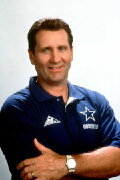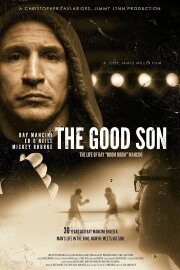
This feature documentary focuses on Ray Mancini's own personal account of his families history, his father's legacy and Mancini's own meteoric rise and fall. From the unsolved killing of his brother to the tragic Deuk-Koo Kim fight, which would alter Ray's life forever, "The Good Son" excavates mysteries all creating an intimate history; a saga of father's and sons, loss and redemption. Featuring Mickey Roarke, Ed O'Neil, Sugar Ray Leonard and historic interviews with Kim's o... (Full plot summary below)
Enjoy FREE movies and series with your Prime (USA) subscription or when you start a 30-day free trial!
| Movie Source | Available | Offers | Added | Views | Quality | Format | Rating | Link | Share |
|---|---|---|---|---|---|---|---|---|---|
 | UK only | 1 Month Free Trial | 22 Jul 2014 | 3331 | HD | Watch OnlineStream Instantly | 86% |  Report: Broken Link Report: Broken Link |   |
| USA only | 1 Month Free Trial | 03 Jun 2024 | 3810 | HD | Watch OnlineStream Instantly | 99% | Report: Broken Link | |
| IRELAND only | 1 Month Free Trial | 11 Feb 2015 | 3809 | HD | Watch OnlineStream Instantly | 65% | Report: Broken Link | |
 | UK only | 30 Day Free Trial | 07 Oct 2019 | 747 | HD | Watch OnlineStream Instantly | 82% | Report: Broken Link | |
![Its HD [The Good Son: The Life of Ray Boom Boom Mancini]](/images/logos/icons/itshd.png) | WORLDWIDE | ? | 14 Nov 2021 | 3713 | HD | Watch OnlineStream Instantly | 93% | Report: Broken Link | |
 | UK only | 30 Day Free Trial | 08 Nov 2023 | 595 | HD | Watch OnlineStream Instantly | 63% | Report: Broken Link | |
 | UK only | Free Credit | 24 May 2015 | 155 | HD | Watch OnlineStream Instantly | 36% | Report: Broken Link | |
 | WORLDWIDE | ? | 19 Mar 2016 | 135 | HD | Watch OnlineStream Instantly | 24% | Report: Broken Link | |
 | WORLDWIDE | ? | 01 Apr 2014 | 26 | SD / TV | Watch OnlineStream Instantly | 21% | Report: Broken Link | |
 | WORLDWIDE | ? | 15 Oct 2022 | 203 | HD | Watch OnlineStream Instantly | 25% | Report: Broken Link | |
 | WORLDWIDE | ? | 04 Mar 2014 | 30 | SD / TV | Watch OnlineStream Instantly | 15% | Report: Broken Link | |
Links compiled using automated software. Availability of offers subject to change / might be region specific / out of date.
| Movie Source | Available | Offers | Added | Views | Quality | Format | Rating | Link | Share |
|---|---|---|---|---|---|---|---|---|---|
| UK only | 30 Day Free Trial | 01 Jan 2026 | 1883 | SD / DVD | DVD RentalRent by Post | 82% |  Report: Broken Link Report: Broken Link | |
 | UK only | N/A | 01 Jan 2026 | 108 | SD / DVD | DVD RentalRent by Post | 20% | Report: Broken Link | |
 | USA only | 1 Month Free Trial | 01 Jan 2026 | 206 | SD / DVD | DVD RentalRent by Mail | 4% | Report: Broken Link | |
| USA only | 1 Month Free Trial | 01 Jan 2026 | 15331 | SD / DVD | DVD RentalRent by Mail | 95% | Report: Broken Link | |
| Movie Source | Available | Offers | Added | Views | Quality | Format | Rating | Link | Share |
|---|---|---|---|---|---|---|---|---|---|
| UK only | 30 Day Free Trial | 14 Jan 2014 | 234 | HD / BR | Blu Ray RentalRent by Post | 62% | Report: Broken Link | |
| UK only | N/A | 14 Jan 2014 | 94 | HD / BR | Blu Ray RentalRent by Post | 18% | Report: Broken Link | |
| USA only | 1 Month Free Trial | 01 Jan 2026 | 303 | HD / BR | Blu Ray RentalRent by Mail | 2% | Report: Broken Link | |
| USA only | 1 Month Free Trial | 14 Jan 2014 | 3645 | HD / BR | Blu Ray RentalRent by Mail | 90% | Report: Broken Link | |
Sorry, we can't find any suggestions at the moment.
This feature documentary focuses on Ray Mancini's own personal account of his families history, his father's legacy and Mancini's own meteoric rise and fall. From the unsolved killing of his brother to the tragic Deuk-Koo Kim fight, which would alter Ray's life forever, "The Good Son" excavates mysteries all creating an intimate history; a saga of father's and sons, loss and redemption. Featuring Mickey Roarke, Ed O'Neil, Sugar Ray Leonard and historic interviews with Kim's own family, including his own son, Jiwan Kim.
Leave your thoughts about The Good Son: The Life of Ray Boom Boom Mancini.
| VarietyRob NelsonDirector Jesse James Miller’s bio of ‘80s-era World Boxing Council lightweight champ Ray “Boom Boom” Mancini connects on emotional levels in the telling of an up-from-nothing brawler whose colorful career climaxed in tragedy. |
| The New York TimesNicole HerringtonJesse James Miller’s moving documentary “The Good Son” is like a brisk novel with a bigger-than-life protagonist. |
| The Hollywood ReporterJohn DeForeA compelling tale even for viewers with no interest in the sweet science. |
| IndieWireGary M. KramerThe Good Son is Mancini’s mea culpa memoir; a grand act of self-vindication that succeeds because the boxer is sympathetic and asks respectfully for forgiveness and absolution. |
| New York PostFarran Smith NehmeThe final scenes, when Mancini meets Kim’s son, have the awkward feel of an “Oprah” episode, with the editing and music suggesting a catharsis that isn’t always backed up by what’s on-screen. |
| New York Daily NewsJoe NeumaierThe film winds up as a chronicle of uneasy forgiveness. |
| Washington PostMichael O'SullivanThe odd and disturbing thing about the film is just how comfortable [Mancini] — and we — have become putting moments on camera that, once upon a time, were meant to be shared between two people. |
| Village VoiceCalum MarshMancini, who served as an executive producer, is glorified and exonerated, yet it's his inability to render either process interesting that ultimately sinks the picture. |