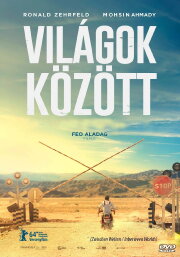
Jesper is a soldier in the German army. Although his brother was killed whilst serving in Afghanistan, he nevertheless reports for a new tour of duty in this war zone. He and his unit are to protect a remote village from the Taliban. One of the people accompanying Jesper is a young interpreter, Tarik, whose job includes mediating between soldiers and villagers. Both sides have a hard time trying to overcome the differences in their respective ways of life. Jesper must gain th... (Full plot summary below)
Enjoy FREE movies and series with your Prime (USA) subscription or when you start a 30-day free trial!
| Movie Source | Available | Offers | Added | Views | Quality | Format | Rating | Link | Share |
|---|---|---|---|---|---|---|---|---|---|
 | UK only | 1 Month Free Trial | 13 Sep 2015 | 4983 | HD | Watch OnlineStream Instantly | 79% |  Report: Broken Link Report: Broken Link |   |
| USA only | 1 Month Free Trial | 25 Apr 2020 | 3842 | HD | Watch OnlineStream Instantly | 81% | Report: Broken Link | |
| IRELAND only | 1 Month Free Trial | 16 Apr 2015 | 595 | HD | Watch OnlineStream Instantly | 82% | Report: Broken Link | |
 | UK only | 30 Day Free Trial | 22 Jul 2020 | 849 | HD | Watch OnlineStream Instantly | 79% | Report: Broken Link | |
![Its HD [Inbetween Worlds]](/images/logos/icons/itshd.png) | WORLDWIDE | ? | 15 Aug 2021 | 3145 | HD | Watch OnlineStream Instantly | 94% | Report: Broken Link | |
 | UK only | 30 Day Free Trial | 08 Nov 2023 | 281 | HD | Watch OnlineStream Instantly | 36% | Report: Broken Link | |
 | UK only | Free Credit | 10 Jun 2020 | 174 | HD | Watch OnlineStream Instantly | 30% | Report: Broken Link | |
 | WORLDWIDE | ? | 18 Oct 2014 | 77 | HD | Watch OnlineStream Instantly | 38% | Report: Broken Link | |
 | WORLDWIDE | ? | 02 Apr 2017 | 17 | SD / TV | Watch OnlineStream Instantly | 26% | Report: Broken Link | |
 | WORLDWIDE | ? | 05 Oct 2023 | 294 | HD | Watch OnlineStream Instantly | 22% | Report: Broken Link | |
 | WORLDWIDE | ? | 22 Feb 2026 | 19 | SD / TV | Watch OnlineStream Instantly | 14% | Report: Broken Link | |
Links compiled using automated software. Availability of offers subject to change / might be region specific / out of date.
| Movie Source | Available | Offers | Added | Views | Quality | Format | Rating | Link | Share |
|---|---|---|---|---|---|---|---|---|---|
| UK only | 30 Day Free Trial | 25 Mar 2025 | 2051 | SD / DVD | DVD RentalRent by Post | 77% |  Report: Broken Link Report: Broken Link | |
 | UK only | N/A | 25 Mar 2025 | 80 | SD / DVD | DVD RentalRent by Post | 13% | Report: Broken Link | |
 | USA only | 1 Month Free Trial | 25 Mar 2025 | 89 | SD / DVD | DVD RentalRent by Mail | 15% | Report: Broken Link | |
| USA only | 1 Month Free Trial | 25 Mar 2025 | 19852 | SD / DVD | DVD RentalRent by Mail | 98% | Report: Broken Link | |
| Movie Source | Available | Offers | Added | Views | Quality | Format | Rating | Link | Share |
|---|---|---|---|---|---|---|---|---|---|
| UK only | 30 Day Free Trial | 16 May 2022 | 193 | HD / BR | Blu Ray RentalRent by Post | 79% | Report: Broken Link | |
| UK only | N/A | 16 May 2022 | 54 | HD / BR | Blu Ray RentalRent by Post | 11% | Report: Broken Link | |
| USA only | 1 Month Free Trial | 25 Mar 2025 | 810 | HD / BR | Blu Ray RentalRent by Mail | 6% | Report: Broken Link | |
| USA only | 1 Month Free Trial | 16 May 2022 | 8850 | HD / BR | Blu Ray RentalRent by Mail | 98% | Report: Broken Link | |
Jesper is a soldier in the German army. Although his brother was killed whilst serving in Afghanistan, he nevertheless reports for a new tour of duty in this war zone. He and his unit are to protect a remote village from the Taliban. One of the people accompanying Jesper is a young interpreter, Tarik, whose job includes mediating between soldiers and villagers. Both sides have a hard time trying to overcome the differences in their respective ways of life. Jesper must gain the trust of both villagers and the allied Arbaki militia and his nerves are soon on edge. He finds himself increasingly morally conflicted as a result of his superiors' orders. His association with the Germans means Tarik's life is constantly under threat, but when Tarik begins to fear for his sister's safety, Jesper has to make a decision. Feo Aladag uses this portrait of an ISAF soldier in Afghanistan to explore questions of affinity and otherness, trust and failure. How humane can your actions be if you are bound by the workings of a strict military bureaucracy? What remains of the ideals of human dignity when you are caught up in a daily struggle for survival?
Leave your thoughts about Inbetween Worlds.
| User ReviewCarlos MIn short: Culture clashes along 3 plot lines: Afghan interpreter as intermediary, his sister showing promise for the future, and the difficult position of German soldiers sent there I saw this film at the Berlinale film festival 2014 as part of the official Competition section, in a venue with over 1,500 booked seats. It turned out to be perfect drama with all the elements I love to see in a story: loyalty, chain of command issues, dichotomy between "them" and "us" where no side is good or bad, dilemma's how would I act myself in such a situation, and so on. The plot offers several opportunities to showcase the culture clash between the visiting soldiers and the local people. Nice quote from Afghan commander: "Many armies like yours came here and achieved nothing." An even better Afghan proverb I feel compelled to repeat here: "You have watches but we have the time." Apart from the actual story line, the film overall shows that sending military to Afghanistan (and similar places) sounds nice on TV, but it does not work out that way "in the field". We see three sides of the plot develop in parallel: (1) German officer Jesser whose brother was killed in the same area while leading a small military group in support of an outpost with local military. (2) Interpreter Tarik whose father was killed before his eyes to set an example demonstrating what happens with someone working for the wrong side. And (3) Tarik's sister who follows a technical course on a university, showing promise in the younger generation. All in all, the three plot lines get an even chance to develop, and offers the opportunity to feel along with the characters involved. It is impossible for us, from our comfy chairs, to judge how realistic all this is, but I'm prepared to allow much leeway for a film maker to get his/her message across in an edible format. |