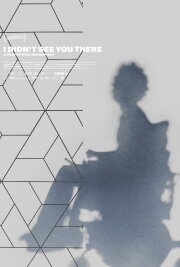
Spurred by the spectacle of a circus tent that goes up outside his Oakland apartment, a disabled filmmaker launches into a meditative journey exploring the history of freakdom, vision, and (in)visibility. Shot entirely from director Reid Davenport's physical perspective - mounted to his wheelchair or handheld - the film serves as an unequivocal rebuke to the norm of disabled people being seen and not heard. I Didn't See You There expands on the tradition of point-of-view cine... (Full plot summary below)
Enjoy FREE movies and series with your Prime (USA) subscription or when you start a 30-day free trial!
Spurred by the spectacle of a circus tent that goes up outside his Oakland apartment, a disabled filmmaker launches into a meditative journey exploring the history of freakdom, vision, and (in)visibility. Shot entirely from director Reid Davenport's physical perspective - mounted to his wheelchair or handheld - the film serves as an unequivocal rebuke to the norm of disabled people being seen and not heard. I Didn't See You There expands on the tradition of point-of-view cinema by incorporating a disabled aesthetic generated through Davenport's own embodiment.
Leave your thoughts about I Didn't See You There.
| RogerEbert.comMatt Zoller SeitzIt's filled with images of ordinary objects and situations that have been filmed in such surprising and revealing ways by Davenport that when you encounter them again in your own life, you will see them differently, and think of Davenport's work. |
| Film ThreatBenjamin FranzShot from the perspective of Reid’s wheelchair, I found I Didn’t See You There strongly involving. The vignettes that comprise Reid Davenport’s existence really give you a sense of life from the vantage point of one at a lower elevation than most. It’s life, as usual, just a little different, is all. |
| Paste MagazineJacob OllerIt’s best when it fully commits to its subtlety. Long passages without dialogue highlight the wavering music and Todd Chandler’s artful, sometimes wry editing. |
| The New York TimesNicolas RapoldWith his feature, Davenport stakes out his own vantage point on the world, one that leaves a viewer wishing to hear his thoughts elaborated even further. |
| VarietyGuy LodgeI Didn’t See You There is affecting even when it shuts us out, coming across as the sincere, frustrated expression of someone who’s tired of explaining himself and his position even to a sympathetic audience. |
| The Hollywood ReporterJohn DeForeViewed on its own, it communicates much less than its maker seems to intend, hovering in a not-very-satisfying zone between advocacy doc, first-person impressionism, and (very) tentative essay film about the world’s tendency to view difference as freakishness. |