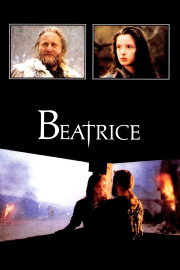
A warrior leaves home to fight in the Hundred Years' War (1337-1453) between France and England. Before his departure, he gives his young son, François, a sword to safeguard his mother and her virtue. One day, after the boy opens a bedroom door to find his mother willingly submitting to a man, he uses the sword to kill the man and becomes traumatized with guilt and enmity toward his mother. Years later, François (Bernard-Pierre Donnadieu) must go off to war as a chevalier, ... (Full plot summary below)
Enjoy FREE movies and series with your Prime (USA) subscription or when you start a 30-day free trial!
| Movie Source | Available | Offers | Added | Views | Quality | Format | Rating | Link | Share |
|---|---|---|---|---|---|---|---|---|---|
 | UK only | 1 Month Free Trial | 24 Jun 2016 | 5606 | HD | Watch OnlineStream Instantly | 84% |  Report: Broken Link Report: Broken Link |   |
| USA only | 1 Month Free Trial | 06 Jun 2022 | 4607 | HD | Watch OnlineStream Instantly | 89% | Report: Broken Link | |
| IRELAND only | 1 Month Free Trial | 26 May 2022 | 363 | HD | Watch OnlineStream Instantly | 62% | Report: Broken Link | |
 | UK only | 30 Day Free Trial | 15 Apr 2026 | 741 | HD | Watch OnlineStream Instantly | 90% | Report: Broken Link | |
![Its HD [Beatrice]](/images/logos/icons/itshd.png) | WORLDWIDE | ? | 10 Sep 2015 | 3162 | HD | Watch OnlineStream Instantly | 90% | Report: Broken Link | |
 | UK only | 30 Day Free Trial | 08 Mar 2020 | 394 | HD | Watch OnlineStream Instantly | 46% | Report: Broken Link | |
 | UK only | Free Credit | 26 Oct 2015 | 122 | HD | Watch OnlineStream Instantly | 53% | Report: Broken Link | |
 | WORLDWIDE | ? | 07 Jan 2021 | 55 | HD | Watch OnlineStream Instantly | 26% | Report: Broken Link | |
 | WORLDWIDE | ? | 18 Jun 2018 | 17 | SD / TV | Watch OnlineStream Instantly | 12% | Report: Broken Link | |
 | WORLDWIDE | ? | 06 Feb 2020 | 214 | HD | Watch OnlineStream Instantly | 6% | Report: Broken Link | |
 | WORLDWIDE | ? | 16 Sep 2021 | 22 | SD / TV | Watch OnlineStream Instantly | 9% | Report: Broken Link | |
Links compiled using automated software. Availability of offers subject to change / might be region specific / out of date.
| Movie Source | Available | Offers | Added | Views | Quality | Format | Rating | Link | Share |
|---|---|---|---|---|---|---|---|---|---|
| UK only | 30 Day Free Trial | 16 May 2016 | 604 | SD / DVD | DVD RentalRent by Post | 87% |  Report: Broken Link Report: Broken Link | |
 | UK only | N/A | 16 May 2016 | 20 | SD / DVD | DVD RentalRent by Post | 30% | Report: Broken Link | |
 | USA only | 1 Month Free Trial | 16 May 2016 | 55 | SD / DVD | DVD RentalRent by Mail | 20% | Report: Broken Link | |
| USA only | 1 Month Free Trial | 16 May 2016 | 2686 | SD / DVD | DVD RentalRent by Mail | 88% | Report: Broken Link | |
| Movie Source | Available | Offers | Added | Views | Quality | Format | Rating | Link | Share |
|---|---|---|---|---|---|---|---|---|---|
| UK only | 30 Day Free Trial | 03 Mar 2016 | 286 | HD / BR | Blu Ray RentalRent by Post | 78% | Report: Broken Link | |
| UK only | N/A | 03 Mar 2016 | 49 | HD / BR | Blu Ray RentalRent by Post | 23% | Report: Broken Link | |
| USA only | 1 Month Free Trial | 16 May 2016 | 390 | HD / BR | Blu Ray RentalRent by Mail | 15% | Report: Broken Link | |
| USA only | 1 Month Free Trial | 03 Mar 2016 | 7584 | HD / BR | Blu Ray RentalRent by Mail | 79% | Report: Broken Link | |
A warrior leaves home to fight in the Hundred Years' War (1337-1453) between France and England. Before his departure, he gives his young son, François, a sword to safeguard his mother and her virtue. One day, after the boy opens a bedroom door to find his mother willingly submitting to a man, he uses the sword to kill the man and becomes traumatized with guilt and enmity toward his mother. Years later, François (Bernard-Pierre Donnadieu) must go off to war as a chevalier, or knight. While he is away, his daughter, the gentle and loving Béatrice (Julie Delpy), sees to the needs of her little brother and her feckless mother. Although the castle in which they live is a sepulcher of shadows and stone, Béatrice maintains her spirits as she looks forward to the day when her father's voice will once again echo in the corridors. After four years of war in which he was held captive for a time by the English, he returns to the castle, a hardened warrior who has renounced God. Inside his twisted mind, he still carries the memory of that terrible day long ago, the day he discovered that his mother was an adulteress. Giving the demons within him free rein, he begins to abuse everyone around him: He insults, bullies, and pillages the local village. He even forces his son (Nils Tavernier) to wear women's clothes and become the prey in a hunt. As he descends deeper into depravity, it is innocent Béatrice who suffers the most. Whether he has completely destroyed her, or whether she will rise up and destroy him, becomes the central focus of the film as it moves toward its conclusion.
Leave your thoughts about Beatrice.
| User ReviewTim RIt's the middle ages, France, after the 100 years war. In this film? Chivalry is most assuridly dead... |
| User ReviewMichael TBertrand Tavernier's Shakespeare-like tragedy is overlong but features a good performance from a young Julie Delpy. |
| User ReviewPrivate UJulie Delpy stars in this horrific film about a sadistic relationship between a father and a daughter in France of the 14th Century. The film attempts to shatter the romantic chivalry image of the heroic medieval knight, by showing a rather dreary image of the period, defined by psychological dysfunction, and violence. The movie opens with a child, François, growing up in the shadow of the Hundred Years' War, told by his father to keep his mother safe and to wait for his return. François takes action when he discovers his mother with a lover in bed. François murders him in the name of defending his father's honour. Like father like son, François grows up, and leaves his family, also to go to the same war. This setting is somewhat of an explanation for the events to come, as on his way home, we already notice that something is wrong with François. The war has not done well with him, he has changed. The daughter, Béatrice de Cortemart (Delpy), awaits her beloved father, to return from captivity of the English. She is pure of heart and she was left to take care of the estate while her father was gone. In her father's absence, Béatrice needs to deal with financial difficulties, which strengthens Béatrice's hope that her father will return to save her. But, upon his return, she notices that he lost the will to enjoy life, and he tortures and humiliates everything around him, even his own daughter. From this points the film depicts various ways how François torments his family. Starting with humiliating his own son, and ending with the rape of his own daughter, Béatrice. Setting the film in the Middle Ages supposed to soften the blow, as the viewer may tell himself, that these kind of violent acts were held in difficult times. And indeed, many films on the topic of Incest, such as Tim Roth's "The War Zone (1999)" which are contemporary were more shocking because of that. Delpy appears in this film in several daring nude scenes. Indeed she appears to be angelic and beautiful. I was annoyed when I saw some animal torture scenes. I believe, and this is not confirmed, that some birds were killed for the making of this film, which really upsets me. The quality of a film drops when real violence is used towards animals. I would hope that this movie will be re-released without those cruelty scenes. Those scenes do not contribute much to the film storyline. Overall, the movie is too long. The script is problematic. We don't get to see François and Béatrice before the war, we don't really get the answer why is he changed to such extreme. I would have pass on this film, however, I have to mention a few scenes that made this film worth watching: * Scenes of a young child being able to murder in cold blood is truely shocking. I saw it first time on "City of God (2002)". Here, François, murders his mother's lover, while his father away at war. Excellent scene and very graphic. * The scenes from Béatrice being raped by her father till she finds out she is pregnant from him are truely shocking and interesting. The scene after the rape, where Delpy burns her cloths and cleans herself. She asks her brother to kick her in the stomach with hopes to have a miscarriage. * The brother humiliation scenes where the father dumps his son's head into the food - humiliating him then ranting about the war. Later, dressing his son with women's cloths. The film won the César (French Oscar) for Best Costume Design, I agree, the costumes here really make the film look authentic for the time period. The movie location is Château de Puivert, a real 12th century castle and a historical monument, located in Aude, South-Central France. Beautiful castle and mountain view, really helps you set into the period of this film. The film also nominated for 3 more César awards, but they were all snatched to the widely successful French film "Au revoir, les enfants" ("Goodbye, Children", 1998). --- Released as "Beatrice" in New York City, March 1987. Only to be screened in France on November 1987. Watched it on YES3 on 3 May 2007, 17:45, at work. |
| User ReviewJonathan FLa Passion Béatrice [AKA "The Passion of Beatrice"] [AKA "Beatrice"] France / Italy 1987 Dir. : Bertrand Tavernier a review by Jonathan Fain Julie Delpy stars in this horrific film about a sadistic relationship between a father and a daughter in France of the 14th Century. The film attempts to shatter the romantic chivalry image of the heroic medieval knight, by showing a rather dreary image of the period, defined by psychological dysfunction, and violence. The movie opens with a child, François, growing up in the shadow of the Hundred Years' War, told by his father to keep his mother safe and to wait for his return. François takes action when he discovers his mother with a lover in bed. François murders him in the name of defending his father's honour. Like father like son, François grows up, and leaves his family, also to go to the same war. This setting is somewhat of an explanation for the events to come, as on his way home, we already notice that something is wrong with François. The war has not done well with him, he has changed. The daughter, Béatrice de Cortemart (Delpy), awaits her beloved father, to return from captivity of the English. She is pure of heart and she was left to take care of the estate while her father was gone. In her father's absence, Béatrice needs to deal with financial difficulties, which strengthens Béatrice's hope that her father will return to save her. But, upon his return, she notices that he lost the will to enjoy life, and he tortures and humiliates everything around him, even his own daughter. From this points the film depicts various ways how François torments his family. Starting with humiliating his own son, and ending with the rape of his own daughter, Béatrice. Setting the film in the Middle Ages supposed to soften the blow, as the viewer may tell himself, that these kind of violent acts were held in difficult times. And indeed, many films on the topic of Incest, such as Tim Roth's "The War Zone (1999)" which are contemporary were more shocking because of that. Delpy appears in this film in several daring nude scenes. Indeed she appears to be angelic and beautiful. I was annoyed when I saw some animal torture scenes. I believe, and this is not confirmed, that some birds were killed for the making of this film, which really upsets me. The quality of a film drops when real violence is used towards animals. I would hope that this movie will be re-released without those cruelty scenes. Those scenes do not contribute much to the film storyline. Overall, the movie is too long. The script is problematic. We don't get to see François and Béatrice before the war, we don't really get the answer why is he changed to such extreme. I would have pass on this film, however, I have to mention a few scenes that made this film worth watching: * Scenes of a young child being able to murder in cold blood is truely shocking. I saw it first time on "City of God (2002)". Here, François, murders his mother's lover, while his father away at war. Excellent scene and very graphic. * The scenes from Béatrice being raped by her father till she finds out she is pregnant from him are truely shocking and interesting. The scene after the rape, where Delpy burns her cloths and cleans herself. She asks her brother to kick her in the stomach with hopes to have a miscarriage. * The brother humiliation scenes where the father dumps his son's head into the food - humiliating him then ranting about the war. Later, dressing his son with women's cloths. The film won the César (French Oscar) for Best Costume Design, I agree, the costumes here really make the film look authentic for the time period. The movie location is Château de Puivert, a real 12th century castle and a historical monument, located in Aude, South-Central France. Beautiful castle and mountain view, really helps you set into the period of this film. The film also nominated for 3 more César awards, but they were all snatched to the widely successful French film "Au revoir, les enfants" ("Goodbye, Children", 1998). --- Released as "Beatrice" in New York City, March 1987. Only to be screened in France on November 2007. Watched it on YES3 on 3 May 2007, 17:45, at work. |